 01
01 حواجز قابلة للطي
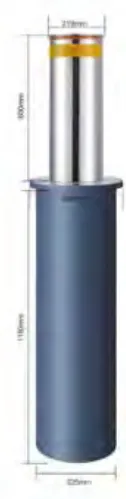
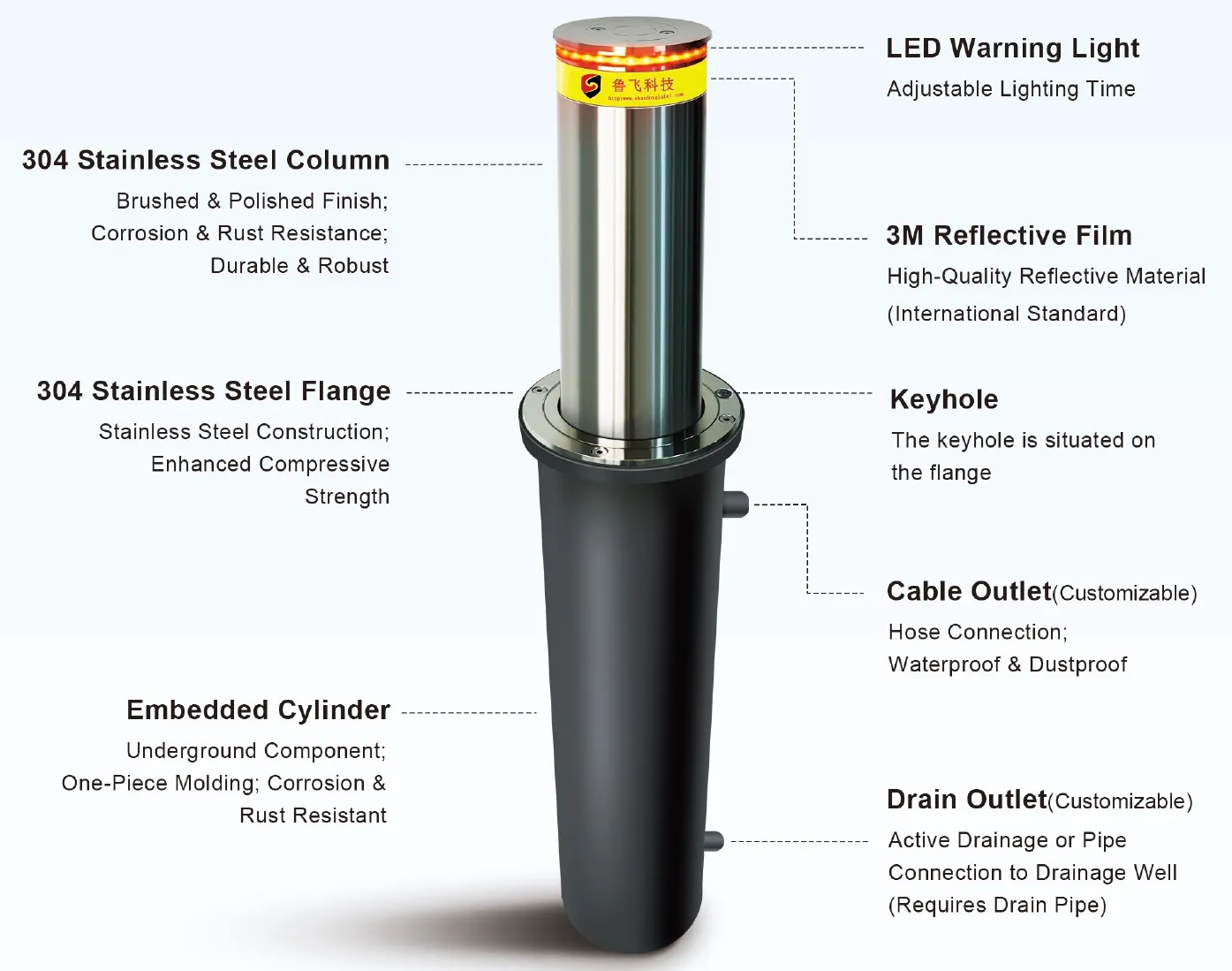
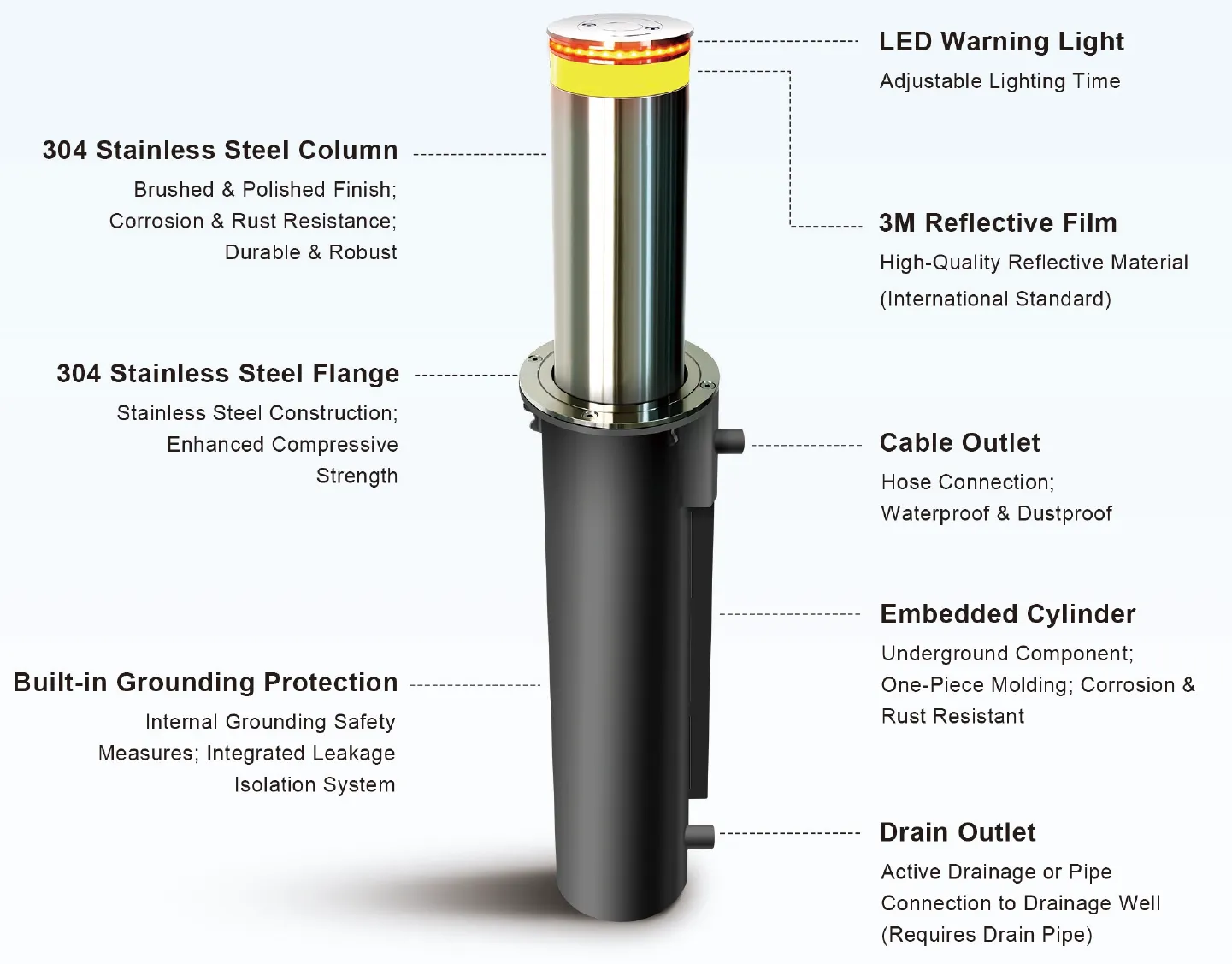
عمود قابل للطي أوتوماتيكي
حاجز أوتوماتيكي قياسي للمدارس والحرم الحكومي والمطارات والساحات التجارية. يتكامل محركه الكهروهيدروليكي مع أنظمة التحكم في الوصول والتشغيل عن بعد والتعرف على المركبات.
عرض التفاصيل
حواجز أوتوماتيكية وشبه أوتوماتيكية وثابتة للجهات الحكومية والحرم الجامعي ومحاور النقل والمواقع الصناعية. يشمل الدعم الهندسي الأساسات والصرف والطاقة وتكامل أنظمة التحكم.
تواصل مباشر: WhatsApp sales@cantonmade.com
من الحواجز الأوتوماتيكية للمحيطات عالية الأمان إلى الحلول شبه الأوتوماتيكية الفعالة من حيث التكلفة، نحن نصنع كل نوع من الحواجز الأمنية التي يحتاجها مشروعك.
أكثر موديلات الحواجز شيوعاً — موثوقة من قبل خبراء الأمن في جميع أنحاء العالم.
تتطلب مراكز النقل والحرم الجامعي والمناطق العامة أسساً وعناصر تحكم وتكاملات مختلفة. ثلاثة سيناريوهات مختارة تقدم نظرة عامة موجزة.
عرض الحلول الكاملة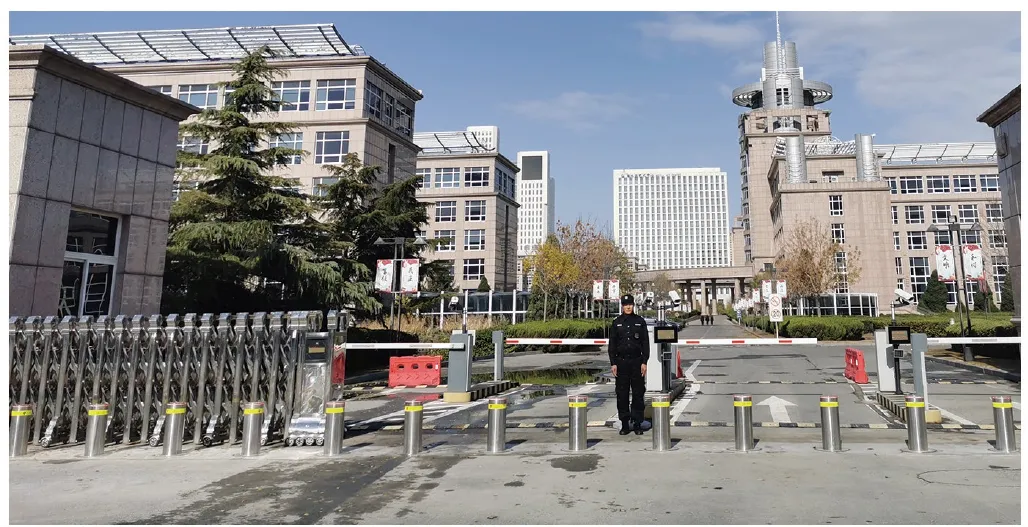
تجمع الحواجز الأوتوماتيكية المجمعة بين تحكم الحارس والتعريف المصرح به للحفاظ على تدفق المركبات اليومي مع تعزيز حدود الحرم.
عرض الحل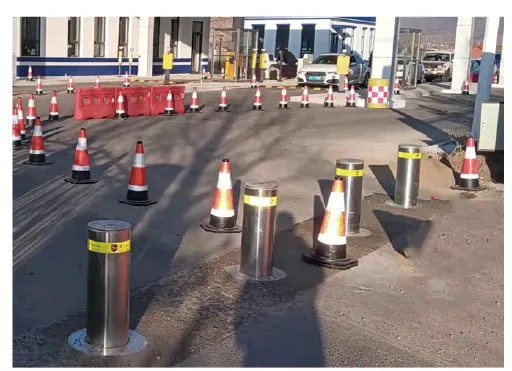
تدمج الحواجز الهيدروليكية أمان الحلقة وتشغيل الحارس وإشارات التفويض لنمط المرور المتكرر لموقع صناعي.
عرض الحل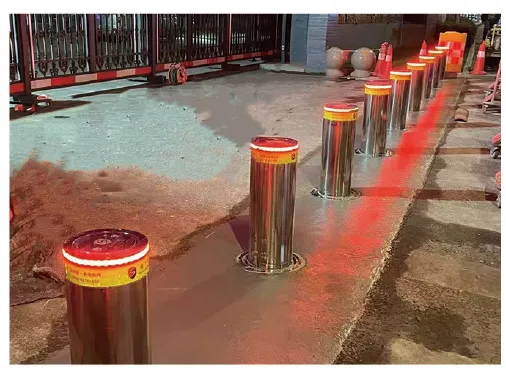
تعمل أضواء التحذير المدمجة والأشرطة العاكسة على تحسين التعرف في الإضاءة المنخفضة وتعطي السائقين المقتربين إشارة واضحة لحالة الحاجز.
عرض الحلسجلات التصنيع والتجميع والتركيب الحقيقية تثبت القدرة التصنيعية بشكل أفضل من الشعارات المجردة. نحن نوثق باستمرار المعدات والإنتاج وتسليم المشاريع لمساعدة فرق المشتريات والهندسة على فهم كيفية تصنيع المنتجات وشحنها.

يخضع الجهاز الكامل لفحص التشغيل واختبارات التكامل والتوثيق في الموقع قبل التسليم.

يقوم المهندسون بتجميع مكونات التحكم وفحوصات التفاصيل قبل التسليم.

تمر المكونات الهيكلية بالتثبيت والتصنيع والتحقق من الأبعاد والتشطيب السطحي قبل دخول خط التجميع.
تأسست شركة Guardix عام 2013، ويقع مقرها الرئيسي في مدينة فوشان، مقاطعة قوانغدونغ (Foshan, Guangdong). وهي شركة صناعية متخصصة في الأعمدة الأمنية وحلول التحكم بدخول المركبات. وتمتلك الشركة قاعدة إنتاج بمساحة 15,000 متر مربع، مجهزة بمراكز تشغيل بالتحكم الرقمي وأنظمة لحام آلية ومنصة اختبار هيدروليكية وخطوط إنتاج أوتوماتيكية، مما يحقق تصنيعاً ذاتياً كامل العملية من المواد الخام إلى المنتج النهائي.
تشمل خطوط منتجاتنا ست سلاسل رئيسية: الأعمدة الأوتوماتيكية بالكامل، والأعمدة نصف الأوتوماتيكية، والأعمدة الثابتة المضادة للاصطدام، والأعمدة المتحركة، والأعمدة ذات التركيب السطحي، وأنظمة التحكم الذكية، لتلبية متطلبات مستويات الأمان المختلفة من المواقع التجارية إلى البنية التحتية الحيوية. وقد حصلت المنتجات على شهادة ISO 9001 لنظام إدارة الجودة، وشهادة السلامة CE، وشهادة الحماية من الماء IP68، وشهادة اختبار الاصطدام K12 (ASTM F2656 M50).
تصل منتجات Guardix اليوم إلى أكثر من 50 دولة ومنطقة حول العالم، مع تركيب أكثر من 30,000 عمود، تُستخدم في الجهات الحكومية والمدارس والمطارات والمعابر الحدودية والمجمعات الصناعية والساحات التجارية والمجمعات السكنية. ونلتزم بنموذج التوريد المباشر من المصنع، ونقدم منتجات عالية الجودة بأسعار تنافسية مع دعم فني مدى الحياة.
في مجال البحث والتطوير تمتلك الشركة فريقاً هندسياً من 12 متخصصاً يعمل باستمرار على تحسين أنظمة التشغيل وتطوير تقنيات الإحكام وابتكار حلول تكامل التحكم. ونتعاون مع عدد من مختبرات الاختبار المحلية لإجراء التحقق من أداء المنتجات وتحديث الشهادات بشكل دوري. وفي عملية الإنتاج نطبق بصرامة نظام ضبط الجودة بثلاثة مستويات: فحص المواد الواردة، والتفتيش أثناء العملية، والفحص الكامل للمنتج النهائي، بما يضمن اجتياز كل وحدة قبل الشحن اختبارات الوظائف ومقاومة الماء.
ندرك تماماً أهمية الأعمدة كتجهيزات أمنية، ولذلك أنشأنا سلسلة خدمة متكاملة تبدأ من الاستشارة قبل البيع وتنتهي بالصيانة بعد البيع. في مرحلة ما قبل البيع نقدم استشارات فنية وتصميماً للحلول دون مقابل، ونساعد العميل في اختيار المنتج وتحسين التكوين؛ وخلال الإنتاج نتابع تقدم التصنيع ونُعلم بالشحن؛ وبعد البيع نوفر الإرشاد في التركيب والتشخيص عن بُعد والإصلاح في الموقع وتوريد قطع الغيار. ويمنح ضمان سنتين للجهاز بالكامل والدعم الفني مدى الحياة العميل راحة البال.
تُعد الجهات الحكومية والقواعد العسكرية والمناطق الدبلوماسية أكثر المواقع صرامة في متطلبات مستوى الأمان، ولذلك تُستخدم فيها عادةً أعمدة أوتوماتيكية بالكامل معتمدة لاختبار الاصطدام K12 كتجهيز أساسي لحماية المحيط. والتكوين النموذجي هو مجموعات متعددة من الأعمدة الهيدروليكية الثقيلة مع نظام التعرف على لوحات السيارات والتحكم البيومتري بالدخول ومنصة تحكم مركزية، بما يحقق تحققاً متعدد المستويات من الهوية قبل دخول المركبة. ويتكامل صندوق تحكم الأعمدة مع نظام المراقبة الأمنية، وتُؤرشف جميع سجلات المرور تلقائياً للرجوع إليها. وفي المواقع الدبلوماسية مثل المناطق السفارية يمكن تصنيع جسم العمود بتشطيبات متناسقة مع الطابع المعماري، بما يوازن بين الحفاظ على مستوى أمان عالٍ وجمال البيئة.
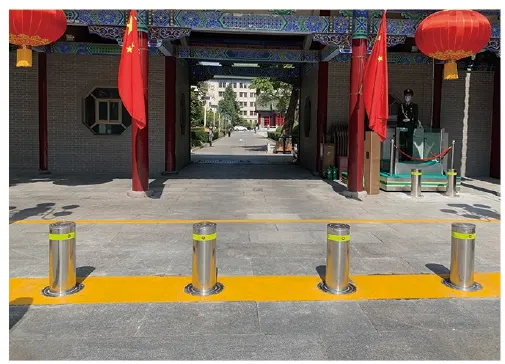
يُعد أمن مداخل ومخارج المدارس من المجالات التي تحظى باهتمام كبير في الوقت الحالي، وتُستخدم الأعمدة على نطاق واسع في المداخل الرئيسية للمدارس وممرات توصيل الطلاب ومخارج الطوارئ والحريق. وبالنظر إلى كثافة حركة المركبات في أوقات الذروة عند بدء الدراسة وانتهائها، يُنصح بتركيب أعمدة أوتوماتيكية بالكامل في المدخل الرئيسي مع نمط إدارة زمني: فخلال الحصص الدراسية تكون الأعمدة مرفوعة لمنع دخول المركبات الغريبة، وفي أوقات الذروة تبقى منخفضة لضمان انسيابية المرور. وفي المشاريع المدرسية ترتبط الأعمدة عادةً بنظام الاتصال المرئي والتحكم بالدخول ونظام تسجيل الزوار والمراقبة بالكاميرات، بما يحقق ضبطاً كاملاً لحركة المركبات الخارجية. كما تُركب أعمدة ثابتة مضادة للاصطدام بين مناطق المشي داخل المدرسة وممرات المركبات لتشكيل فاصل مادي يضمن سلامة المشاة.
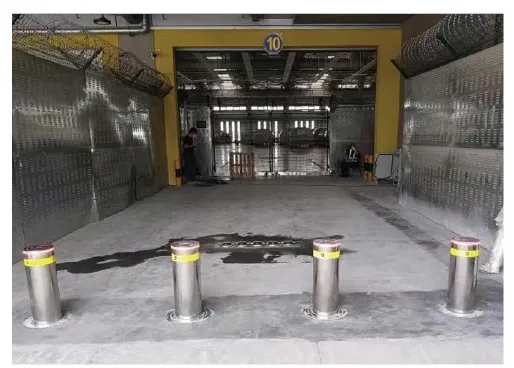
في المجمعات الصناعية ومراكز الخدمات اللوجستية تكون حركة المركبات كثيفة وأنواعها متنوعة، ولذلك تُفرض متطلبات عالية على متانة الأعمدة وموثوقيتها. والتكوين الشائع هو أعمدة هيدروليكية بمستوى صناعي (مثل الطراز PM-HLC-S804B) قادرة على تحمل مرور الشاحنات بوزن 40 طناً مراراً وتكراراً، مع ملفات الاستشعار الأرضية ونظام إشارات ضوئية لإدارة المسارات بذكاء. وفي المداخل والمخارج متعددة المسارات يُستخدم حل وحدة الطاقة الهيدروليكية المركزية (HPU): إذ تشغّل مضخة واحدة عدة أعمدة في الوقت نفسه، مما يقلل تكاليف المعدات والصيانة اللاحقة. وفي سيناريوهات الحراسة الليلية في مراكز الخدمات اللوجستية يمكن ربط الأعمدة بالتحكم عن بُعد ومنصة الإدارة لتحقيق إدارة دخول وخروج المركبات دون تدخل بشري.
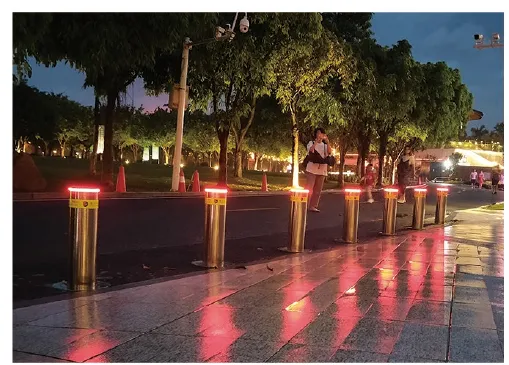
تحتاج الساحات التجارية وممرات المشاة والفضاءات العامة إلى تحقيق توازن بين سلامة المشاة والحفاظ على الانفتاح والانسيابية. ويُوصى باستخدام الأعمدة ذات التركيب السطحي أو الأعمدة المتحركة، إذ تسبب أضراراً محدودة للأرضية أثناء التركيب وتناسب مشاريع التطوير في المناطق المبنية بالفعل. وفي السياقات التجارية غالباً ما تتكامل الأعمدة مع نظام إدارة المواقف الذكي لتحقيق احتساب الرسوم بالوقت والتعرف على العضوية. وفي ممرات المشاة والساحات ترتفع الأعمدة في ساعات الذروة النهارية لتشكيل منطقة خالية من السيارات، وتنخفض ليلاً أو خلال أوقات عمليات الشحن للسماح بمرور مركبات التزويد. ويمكن تجهيز قمة العمود بمؤشرات LED وشعارات مخصصة، بما يجمع بين الإرشاد الوظيفي وإبراز هوية العلامة التجارية.
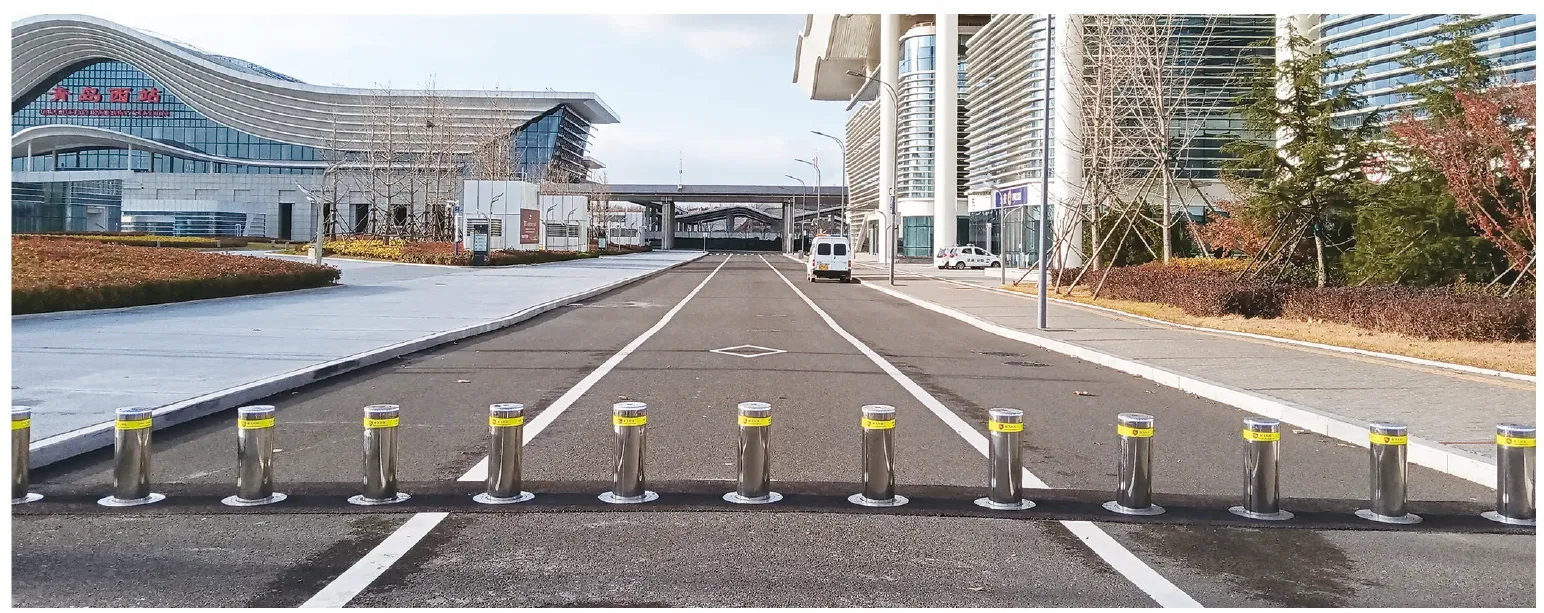
تفرض المراكز النقلية مثل صالات المطارات ومحطات القطارات ومراكز نقل الركاب متطلبات بالغة الصرامة على مستوى ضبط المركبات وكفاءة الحركة، ولذلك تُستخدم فيها عادةً أعمدة أوتوماتيكية بالكامل مع نظام إدارة متعدد المسارات. وتُركب في مداخل صالة المغادرة وصالة الوصول مجموعات من الأعمدة الأوتوماتيكية، بالتكامل مع التعرف على لوحات السيارات ونظام التذاكر لضبط المركبات الخاصة وسيارات الأجرة والحافلات ومركبات الشحن كلٌّ على حدة. وتشمل المتطلبات الخاصة بمشاريع المطارات: تجهيز الجزء العلوي من العمود بشرائط إضاءة LED ساطعة تساعد السائق على تحديد موقع المسار ليلاً وفي الأحوال الجوية السيئة؛ ودعم ربط نظام التحكم بنظام معلومات الرحلات لتعديل استراتيجية إدارة المسارات تلقائياً وفق جدول الرحلات؛ وتزويد جميع الأعمدة بمصدر طاقة احتياطي مزدوج UPS لضمان التشغيل الموثوق في الحالات القصوى.
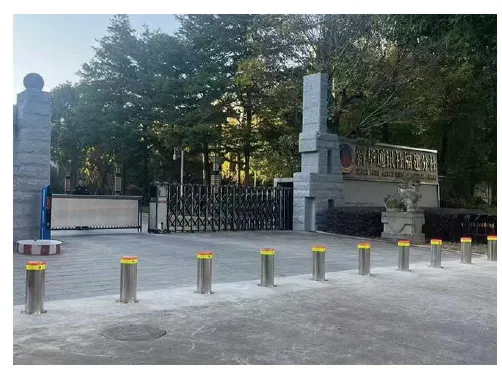
تتمثل الاحتياجات الرئيسية للأعمدة في المجمعات السكنية في إدارة المركبات الداخلة والخارجة وتأمين ممرات الحريق. ويُوصى بتركيب أعمدة أوتوماتيكية بالكامل في المدخل الرئيسي مع نظام التعرف على لوحات السيارات، بحيث تمر مركبات المالكين تلقائياً ويُسمح لمركبات الزوار بعد التأكد عبر نظام الاتصال الصوتي. وتُركب في ممرات الحريق أعمدة نصف أوتوماتيكية أو أعمدة متحركة تبقى مرفوعة في الأوقات العادية لمنع الوقوف المخالف، ويمكن لحراس الأمن إنزالها بسرعة خلال 30 ثانية في حالات الطوارئ. كما تُركب أعمدة ثابتة مضادة للاصطدام في المقاطع المشتركة بين المشاة والمركبات داخل المجمع لتشكيل فاصل آمن يحمي كبار السن والأطفال. وفي المشاريع السكنية الراقية يمكن تصنيع الأعمدة بتشطيبات تنسجم مع الطابع الجمالي للمجمع، مثل الجسم الأسود المطلي بتقنية PVD أو القبعات الزخرفية.
نقدم خدمة تقييم المشروع واختيار المنتج دون مقابل. وسيوصي مهندسونا بالطراز الأنسب من الأعمدة وبمخطط التكوين وفقاً لظروف موقعكم ومتطلبات مستوى الأمان والحدود المالية المخصصة. وتشمل الخدمة توصيات بشأن القاعدة الخرسانية وتقييم حل الصرف وتخطيط تكامل نظام التحكم.
نوفر رسومات تركيب تفصيلية ومواصفات فنية وتعليمات تنفيذية. كما ندعم الإرشاد عبر الفيديو والدعم الفني في الموقع. وبعد اكتمال التركيب يتم ضبط النظام، بما يشمل اختبار الصعود والهبوط والتحقق من وظائف السلامة وربط أساليب التحكم ومعايرة معلمات الأداء، لضمان وصول حالة تشغيل الجهاز إلى المعيار القياسي من المصنع.
ضمان قياسي لمدة سنتين على الجهاز بالكامل، ويشمل الإصلاح أو استبدال الأجزاء المعطوبة مجاناً خلال فترة الضمان. ونوفر التشخيص الفني عن بُعد والإرشاد في التعامل مع الحالات الطارئة. كما نُنشئ سجلاً لأجهزة العميل ونتواصل معه دورياً للاطلاع على حالة تشغيل المعدات. وتتوفر قطع الغيار الأكثر استخداماً في المخزون بشكل دائم لضمان سرعة التوريد. وبعد انتهاء فترة الضمان تُقدَّم خدمات إصلاح مدفوعة، مع تقاضي تكلفة قطع الغيار فقط.
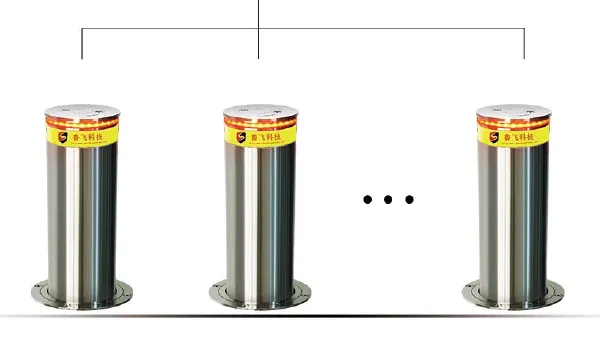
نقدم تدريباً منهجياً لمشغلي العميل وفنيي الصيانة، يشمل شرح مبدأ عمل الجهاز وخطوات التشغيل اليومية ونقاط الصيانة الدورية وطرق معالجة الأعطال الشائعة. كما نوفر حزمة وثائق فنية كاملة: دليل استخدام المنتج، ودليل الصيانة، ومخططات توصيل الدوائر الكهربائية، والمخططات المبدئية للنظام الهيدروليكي، ودليل تشغيل نظام التحكم.
إجابات سريعة على الأسئلة الشائعة حول منتجات الحواجز.
العمود القابل للسحب التلقائي هو جهاز للتحكم في المركبات يعمل بالطاقة الهيدروليكية أو الكهروميكانيكية ويُركب أسفل مستوى سطح الأرض. يرتفع ليعترض المركبات غير المصرح لها وينخفض للسماح بالمرور المصرح به. يتكون النظام من عمود من الفولاذ المقاوم للصدأ ووحدة تشغيل وأسطوانة مدفونة ولوحة تحكم ونظام تصريف. ويمكن تشغيله عبر جهاز التحكم عن بُعد أو أنظمة التحكم في الدخول أو التعرف على اللوحات أو كواشف الحلقة الأرضية أو غرفة تحكم مركزية. وزمن الرفع والخفض عادة من 3 إلى 5 ثوانٍ.
تعمل الأعمدة التلقائية بمحركات هيدروليكية أو كهروميكانيكية ويمكن تشغيلها عن بُعد أو تلقائيًا دون تدخل يدوي، وهي مثالية لنقاط الدخول كثيفة الحركة مثل المجمعات الحكومية والمدارس والمطارات والساحات التجارية. أما الأعمدة شبه التلقائية فتعتمد على مساعدة النابض الغازي والتشغيل بمفتاح ميكانيكي؛ حيث يدير المستخدم المفتاح لرفع العمود ثم يخفضه يدويًا. وهي لا تحتاج إلى كهرباء في الموقع أو تمديدات معقدة، ما يجعلها مناسبة للمواقع قليلة الحركة مثل ممرات سيارات الطوارئ في المناطق السكنية ومناطق المشاة ونقاط التحكم المؤقتة.
K12 هو معيار أمريكي أصدرته وزارة الخارجية لاصطدام المركبات (ASTM F2656 M50)، ويعني أن العمود قادر على إيقاف شاحنة بوزن 6.8 طن تسير بسرعة 80 km/h (50 mph). وأثناء الاختبار تُسرَّع شاحنة مسطحة محملة بـ 6.8 طن إلى سرعة 80 km/h وترتطم بالعمود بزاوية 90 درجة، ويُعد الاختبار ناجحًا إذا لم يتجاوز جسم الشاحنة مسافة 1 متر خلف العمود. وتُشترط شهادة K12 للسفارات والقواعد العسكرية والمطارات وغيرها من البنى التحتية الحيوية ذات مستويات التهديد الإرهابي المرتفعة.
IP68 هو أعلى تصنيف للحماية من دخول الأجسام الغريبة؛ فالرقم 6 يعني حماية كاملة من الغبار، والرقم 8 يعني إمكانية غمر الجهاز في الماء على عمق يتجاوز 1 متر لفترات طويلة دون تلف. وبالنسبة للأعمدة القابلة للسحب يضمن تصنيف IP68 عمل الأسطوانة المدفونة ووحدة التشغيل بموثوقية تحت الأمطار الغزيرة أو الفيضانات أو الغمر المؤقت دون أعطال كهربائية. ويُعد هذا التصنيف بالغ الأهمية بشكل خاص للمناطق الساحلية والمناطق ذات الأمطار الغزيرة والمواقع المعرضة للفيضانات.
يتطلب تركيب الأعمدة ما يلي: 1) حفر الأساس — عادة بعرض 800×800 mm وعمق 1100 mm للأعمدة التلقائية القياسية، وبأبعاد أكبر للطرازات الحاصلة على تصنيف K12؛ 2) صب الخرسانة — بدرجة C30 أو أعلى مع المعالجة السليمة؛ 3) التصريف — طبقة تصريف من الحصى في قاع الحفرة متصلة بأنابيب تصريف؛ 4) التمديدات الكهربائية — كابل مدرع من نوع SWA إلى لوحة التحكم مع التوصية بتوفير طاقة احتياطية UPS؛ 5) إعادة تأهيل السطح — إعادة رصف سطح الطريق بعد التركيب. ويُنصح بشدة بإجراء مسح هندسي احترافي للموقع والحصول على إرشادات هندسية.
يُنصح بمراعاة العوامل التالية: 1) مستوى الأمن — الطرازات القياسية للمناطق العامة والطرازات الحاصلة على تصنيف K12 للمواقع عالية الأمن؛ 2) كثافة الحركة — الأعمدة التلقائية للحركة الكثيفة وشبه التلقائية للحركة المنخفضة؛ 3) الظروف البيئية — الطرازات المغلقة بالكامل للمناطق الساحلية أو الرطبة (YC-02) وعناصر التدفئة للمناخات الباردة؛ 4) قيود التركيب — الأعمدة ذات الأساس السطحي أو القابلة للفك في المناطق التي توجد بها مرافق تحت الأرض؛ 5) الميزانية والقدرة على الصيانة. تواصلوا مع فريقنا الهندسي مع توضيح ظروف موقعكم ومتطلباتكم للحصول على توصية مخصصة.
مع الاستخدام السليم والصيانة المنتظمة يبلغ العمر التشغيلي للأعمدة التلقائية عادة من 10 إلى 15 سنة. وتشمل الفحوصات الشهرية التحقق من مستوى الزيت الهيدروليكي وجودته. وتتضمن الصيانة نصف السنوية تنظيف سطح العمود وإزالة المخلفات من الأسطوانة المدفونة. أما الصيانة السنوية فتتطلب تغيير الزيت الهيدروليكي وفحص موانع التسرب. وتحتاج المكونات الكهربائية إلى فحوصات دورية لتمديدات لوحة التحكم وبطاريات جهاز التحكم عن بُعد وحساسية الكواشف. وفي البيئات الساحلية يُغسل العمود المصنوع من الفولاذ المقاوم للصدأ شهريًا بالماء العذب لمنع تراكم الأملاح.
في التهيئة القياسية يبقى العمود في وضعه الحالي (مرفوعًا أو مخفضًا) عند انقطاع الكهرباء. ونوصي بتركيب نظام UPS (مزود طاقة غير منقطع) للأعمدة ذات المستوى الأمني المرتفع، بما يسمح بعشرات دورات التشغيل الطبيعية أثناء انقطاع التيار. وإضافة إلى ذلك تتميز جميع الأعمدة التلقائية بوسيلة تجاوز يدوي للطوارئ؛ إذ يتيح مقبض أو مفتاح خاص رفع العمود أو خفضه يدويًا عند انعدام الكهرباء تمامًا، بما يضمن مرور المركبات في حالات الطوارئ.
نعم. توفر لوحات التحكم في الأعمدة لدينا واجهات إشارة قياسية من نوع التلامس الجاف وبروتوكولات اتصال RS485/Modbus للتكامل السلس مع أنظمة LPR/ANPR وقارئات RFID وبوابات التعرف على الوجه وماسحات رموز QR وأجهزة التحكم عن بُعد ومنصات الإدارة المركزية. ويدعم نظام التحكم أوضاع تشغيل متعددة: الخفض والرفع التلقائي للمركبات المصرح لها، وإدارة الفترات الزمنية المجدولة، والدخول القائم على القوائم البيضاء مع سجلات المرور.
تدعم أعمدةنا القابلة للسحب عدة معايير كهربائية دولية: التيار المتردد القياسي AC 220V/50Hz (الصين وأوروبا وجنوب شرق آسيا والشرق الأوسط)، والتيار المتردد القابل للتخصيص AC 110V/60Hz (أمريكا الشمالية وتايوان واليابان)، والتيار المتردد AC 380V ثلاثي الأطوار (للأنظمة الهيدروليكية عالية القدرة). وتستخدم لوحة التحكم تصميم مزود طاقة تبديلي واسع النطاق الجهدي. يُرجى تحديد جهد مشروعكم ومعايير التردد عند الطلب وسنهيئ النظام قبل الشحن.
تستغرق الطرازات القياسية (مثل YC-01 و YC-03) مدة إنتاج تتراوح من 15 إلى 20 يوم عمل، تشمل تشغيل الأعمدة وتجميع الأنظمة الهيدروليكية والتمديدات الكهربائية والاختبار في المصنع. أما الطرازات المخصصة (مثل الارتفاع غير القياسي أو المعالجة السطحية الخاصة أو الفولاذ المقاوم للصدأ 316) فتتطلب عادة من 25 إلى 35 يوم عمل حسب التهيئة. ويمكن تسليم الطلبات بالجملة (أكثر من 50 وحدة) على دفعات بحسب الطاقة الإنتاجية. ونوفر تتبعًا فوريًا للإنتاج حتى يتمكن العملاء من متابعة حالة الطلب. وتختلف مدة الشحن حسب الوجهة وإجراءات التخليص الجمركي.
نقدم ضمانًا شاملًا قياسيًا لمدة سنتين يغطي عيوب التصنيع في وحدة التشغيل ونظام التحكم الكهربائي وهيكل العمود. وخلال فترة الضمان نصلح المكونات المعيبة أو نستبدلها دون مقابل. وتُستثنى من الضمان حالات التركيب غير السليم أو سوء الاستخدام أو التعديل غير المصرح به أو الكوارث الطبيعية. كما نوفر دعمًا فنيًا مدى الحياة؛ وبعد انتهاء فترة الضمان تقتصر التكلفة على ثمن قطع الغيار فقط. وتتوفر خطط ضمان ممتدة (3 سنوات و 5 سنوات) عند الطلب.
تُصنَّع أعمدة الحماية لدينا من درجتين رئيسيتين من الفولاذ المقاوم للصدأ. درجة 304 هي الخيار القياسي وتوفر مقاومة ممتازة للتآكل وقوة ميكانيكية مناسبة لمعظم التطبيقات الداخلية والخارجية. أما درجة 316 فتحتوي على الموليبدينوم لمقاومة أعلى للكلوريدات، ما يجعلها مثالية للبيئات الساحلية والمناطق القريبة من المصانع الكيميائية والمواقع التي تُستخدم فيها أملاح إذابة الجليد بكثافة. وللحصول على مظهر جمالي مخصص نوفر أيضًا الفولاذ المقاوم للصدأ 304 مع طلاء PVD (الترسيب الفيزيائي للبخار) بألوان مثل التيتانيوم الأسود والغانميتال والذهبي الشمبانيا.
تعمل الأعمدة القابلة للسحب القياسية في درجات حرارة محيطة من -20°C إلى +50°C. وفي المناطق التي تنخفض فيها درجات حرارة الشتاء إلى أقل من -20°C نوصي بإضافة عناصر تدفئة للعمود ووحدة تحكم في درجة الحرارة. وتبدأ منظومة التدفئة عملها تلقائيًا عندما تنخفض الحرارة عن القيمة المحددة، بما يمنع تكوّن الجليد داخل الأسطوانة المدفونة. ويحافظ الزيت الهيدروليكي المخصص للطقس البارد على اللزوجة وضغط العمل المناسبين في درجات الحرارة المنخفضة. ومع خيار التدفئة يمكن للأعمدة أن تعمل بموثوقية في البرد القارس حتى -40°C.
صُممت الأعمدة ذات الأساس السطحي خصيصًا للمواقع التي يتعذر فيها الحفر العميق، إذ تتطلب عمق أساس من 300 إلى 500 mm فقط مقابل 1100 mm للطرازات القياسية. وهي مثالية للطرق الحضرية والأرصفة ذات المرافق الأرضية الكثيفة ومشاريع الحفاظ على المناطق التاريخية ومواقف السيارات والساحات التجارية القائمة التي توجد بها أنابيب أو كابلات مدفونة مسبقًا والمناطق الواقعة فوق أنفاق المترو أو أسقف الطوابق السفلية. وتعتمد الأعمدة ذات الأساس السطحي عادة على تشغيل كهروميكانيكي وتوفر ارتفاع رفع من 400 إلى 500 mm وهو كافٍ لمعظم تطبيقات التحكم في المركبات.
تؤدي الأعمدة الثابتة والأعمدة التلقائية أدوارًا متكاملة في تأمين المحيط، وغالبًا ما تُجمَّع معًا لتوفير حماية متعددة الطبقات. والتهيئة النموذجية هي: تركيب أعمدة ثابتة على الجانبين وعند فواصل المسارات لتوجيه حركة المركبات ومنع الالتفاف حول الأعمدة التلقائية؛ وأعمدة تلقائية في مسارات الدخول الرئيسية للتحكم المرن في مرور المركبات المصرح لها؛ وأعمدة ثابتة على طول ممرات المشاة والمداخل الثانوية كحواجز دائمة. ويضمن هذا النهج المدمج مستوى أمنيًا مناسبًا مع تحسين التكلفة الإجمالية للمشروع، وهو التهيئة الأكثر شيوعًا لمشاريع المدارس والمجمعات والمنشآت التجارية.
تدعم الأعمدة القابلة للسحب مجموعة واسعة من طرق التحكم: أجهزة التحكم عن بُعد المحمولة (بتردد راديوي 433MHz/315MHz ونطاق فعال من 50 إلى 150 مترًا)، والتحكم بالبطاقة أو بصمة الإصبع أو التعرف على الوجه، والتعرف التلقائي على اللوحات (LPR/ANPR)، وكواشف الحلقة الأرضية، وكواشف الرادار، والتحكم عبر تطبيق الهاتف APP، ومنصات الإدارة في غرف التحكم المركزية. ويمكن ربط عدة أعمدة عبر لوحة التحكم على التوازي أو على التوالي لتشغيلها بشكل متزامن؛ فعندما تُشغّل مركبة مصرح لها حساس الدخول تنخفض جميع الأعمدة في المجموعة في الوقت نفسه، ثم ترتفع بالتتابع بعد تأخير محدد مسبقًا، بما يضمن إدارة آمنة وفعالة للمرور عبر عدة مسارات.
تُعد الأعمدة الهيدروليكية (المشغَّلة بمحرك هيدروليكي) أكثر التقنيات نضجًا، إذ توفر تشغيلًا سلسًا وقوة رفع عالية وضوضاء منخفضة، وهي مثالية للاستخدام الشاق والمتكرر. إلا أنها تتطلب زيتًا هيدروليكيًا وتحتاج إلى تدفئة في المناخات الباردة كما يلزم تغيير موانع التسرب دوريًا على المدى الطويل. أما الأعمدة الكهروميكانيكية (المشغَّلة بلولب القيادة أو بالترس والجريدة المسننة) فتتميز ببنية أبسط وعدم الحاجة إلى صيانة الزيت الهيدروليكي واستجابة أسرع واستهلاك أقل للطاقة في الاستخدامات متوسطة ومنخفضة الكثافة. ومساوئها الرئيسية هي التآكل الميكانيكي مع مرور الوقت وارتفاع الضوضاء نسبيًا تحت الأحمال الثقيلة. ويعتمد الاختيار على المتطلبات الخاصة بمشروعكم.
يتطلب تصدير الأعمدة القابلة للسحب إلى الأسواق الدولية عدة شهادات ووثائق فنية: شهادة CE (إلزامية في الاتحاد الأوروبي وتغطي توجيهي التوافق الكهرومغناطيسي EMC والجهد المنخفض LVD)، وشهادة نظام إدارة الجودة ISO 9001، وتقارير اختبار مقاومة الماء والغبار IP68، وتقارير شهادة مقاومة الصدم K12/PAS 68، وشهادات المواد (تقارير درجات الفولاذ المقاوم للصدأ 304/316)، وشهادة المنشأ (CO)، وصحيفة بيانات السلامة للمواد MSDS الخاصة بالزيت الهيدروليكي، ومستندات التصريح الجمركي للتصدير، ووثائق التخليص الجمركي في بلد الوجهة. وقد صُدّرت منتجاتنا إلى أكثر من 50 دولة، ولدينا خبرة واسعة في مساعدة العملاء على استيفاء جميع شهادات ووثائق التصدير المطلوبة.
تُركَّب الأسطوانة المدفونة للعمود أسفل مستوى سطح الأرض، وقد يتسرب إليها ماء الأمطار أو المياه الجوفية بمرور الوقت. وبدون نظام تصريف مناسب يمكن للمياه المتراكمة أن تسبب عدة مشكلات: فتجمّدها في الشتاء يولّد قوة تمدد جليدية قد تُتلف هيكل العمود ووحدة التشغيل؛ كما يُسرّع الغمر المائي المطوّل التآكل الكهروكيميائي عند وصلات اللحام في الفولاذ المقاوم للصدأ والمكونات المعدنية الداخلية؛ وتزداد مخاطر تعطل النظام الهيدروليكي أو المكونات الكهربائية بسبب الرطوبة. ويشمل حل التصريف القياسي طبقة تصريف من الحصى بسمك 100 mm في قاع الحفرة، وأنبوب تصريف PVC بقطر 110 mm متصلًا بمصرف لمياه الأمطار أو خندق قريب، وميلًا لا يقل عن 2 بالمئة، وصمامًا مانعًا للرجوع لمنع التدفق العكسي.
تؤثر إعادة تأهيل السطح بعد تركيب الأعمدة مباشرةً في الوظائف والمظهر الجمالي معًا. وتشمل المتطلبات الأساسية: مطابقة مادة الرصف الأصلية — فالأسفلت الساخن للطرق الأسفلتية (بالدمك الطبقي)، والخرسانة من الدرجة نفسها مع قطع الوصلات للأسطح الخرسانية، ومواد الرصف المقطوعة بدقة والملائمة بإحكام حول العمود للمناطق المرصوفة. ويعتمد سُمك التأهيل على تصنيف الحمل؛ فمسارات المركبات الثقيلة تتطلب قاعدة خرسانية مسلحة بسماكة لا تقل عن 200 mm إضافة إلى طبقة سطحية بسماكة 50 mm. ويجب ملء وصلة تمدد بعرض من 5 إلى 10 mm حول العمود بمادة مانعة للتسرب مرنة. ويجب أن يتطابق السطح المؤهَّل مع منسوب الرصف الأصلي بمنحدرات سلسة ودون مناطق لتجمع المياه.
تنتشر الأعمدة القابلة للسحب بشكل متزايد في المجمعات السكنية لمختلف حالات التحكم: المداخل الرئيسية — تُستخدم مع أنظمة التعرف على اللوحات والاتصال الصوتي للتحكم التلقائي في دخول المركبات ومنع المركبات غير المصرح لها من الدخول؛ ممرات سيارات الطوارئ — أعمدة شبه تلقائية أو قابلة للفك تبقى مرفوعة لمنع الوقوف غير النظامي ويمكن فتحها بسرعة في الطوارئ؛ مداخل المرائب في الطوابق السفلية — أعمدة تلقائية تعمل إلى جانب بوابات الحاجز لمنع التسلل ودخول المركبات في الاتجاه الخاطئ؛ نقاط مرور المشاة — أعمدة ثابتة أو قابلة للفك تشكّل ممرات تمنع مرور المركبات مع السماح بمرور الكراسي المتحركة وعربات الأطفال.
يمكن تقييم جودة الأعمدة من عدة جوانب: مادة العمود — التحقق من درجة الفولاذ المقاوم للصدأ (304/316) وسُمك الجدار (لا يقل قياسيًا عن 6 mm)، وتمتاز الأعمدة عالية الجودة بمعالجة سطحية منتظمة دون تنقّر؛ نظام التشغيل — في الطرازات الهيدروليكية يجب فحص ماركة موانع الزيت واستقرار ضغط النظام، وفي الطرازات الكهروميكانيكية يجب فحص ماركة المحرك ومادة لولب القيادة؛ تصنيف الحماية — التحقق من ظروف اختبار IP68 وعملية العزل الفعلية؛ لوحة التحكم — تستخدم اللوحات عالية الجودة مكونات كهربائية من ماركات معروفة مع حماية من الحمل الزائد وحماية من التسرب الكهربائي ووسيلة تجاوز يدوي؛ قدرات المصنع — إجراء زيارة ميدانية أو تفتيش مصنعي بالفيديو لتقييم خطوط الإنتاج وعمليات ضبط الجودة والطاقة الإنتاجية.
الأعطال الشائعة في الأعمدة وطرق تشخيصها: عدم ارتفاع العمود — افحص أولًا مصدر الكهرباء ومؤشرات لوحة التحكم، ثم افحص بطاريات جهاز التحكم عن بُعد والمصهر، وأخيرًا تحقق من مستوى الزيت الهيدروليكي (في الطرازات الهيدروليكية) أو الحماية الحرارية للمحرك (في الطرازات الكهروميكانيكية)؛ ارتفاع العمود دون نزوله — تحقق مما إذا كانت كواشف الحلقة الأرضية أو كواشف الرادار تتأثر بأجسام معدنية، وافحص تمديدات إشارة التحكم بحثًا عن ارتخاء، وأجرِ اختبار التجاوز اليدوي لتحديد ما إذا كان الخلل كهربائيًا أم ميكانيكيًا؛ سرعة رفع أو خفض غير طبيعية — في الطرازات الهيدروليكية افحص مستوى الزيت وجودته للتأكد من عدم استحلابه، وفي الطرازات الكهروميكانيكية افحص تشحيم لولب القيادة وتآكل فرشات المحرك. وإذا تعذر حل المشكلة فتواصلوا مع فريق الدعم الفني لخدمة ما بعد البيع.
يُحدَّد قطر عمود الحماية وارتفاعه وفق ظروف موقع المشروع ومتطلبات التحكم. والأقطار الشائعة للأعمدة: 168 mm (6 بوصات) — المقاس القياسي الأكثر رواجًا والمناسب لمعظم مشاريع المدارس والمنشآت التجارية؛ 219 mm (8 بوصات) — للاستخدام الشاق ومثالي للمجمعات الصناعية ومسارات الخدمات اللوجستية؛ 273 mm (10 بوصات) — مواصفة للاستخدام الثقيل في القواعد العسكرية والبنى التحتية الحيوية. وارتفاع الرفع القياسي 600 mm، وهو يلبي متطلبات الاعتراض لمعظم ارتفاعات هياكل المركبات. وتتوفر ارتفاعات مخصصة 500 mm أو 800 mm للمشاريع الخاصة. وينبغي أن يراعي الاختيار عرض الطريق في الموقع وأنواع المركبات المارة وارتفاع الاعتراض المطلوب وظروف إنشاء الأساس.
نعم. تدعم لوحات التحكم في الأعمدة لدينا بروتوكولات الاتصال القياسية Modbus RTU و Modbus TCP، ويمكن ربطها بأنظمة إدارة المباني (BMS) ومنصات الأمن المتكاملة عبر واجهة RS485 أو بوابة إيثرنت. ومن خلال التكامل مع نظام إدارة المباني يمكن تحقيق ما يلي: مراقبة فورية لحالة كل عمود (مرفوع أو مخفض أو معطل) من غرفة التحكم المركزية؛ والتشغيل المجدول (مثل إبقاء الأعمدة مخفضة من الساعة 7:00 إلى 9:00 في أيام العمل لاستيعاب ذروة الحركة)؛ والربط التلقائي بإنذار الحريق بحيث تنخفض جميع الأعمدة عند انطلاق الإنذار؛ والتكامل مع المراقبة بالكاميرات بحيث تُستدعى تلقائيًا تسجيلات الكاميرا المقابلة عند تشغيل الأعمدة؛ وإنشاء تقارير مرورية لتحليل بيانات دخول المركبات.
صُممت أعمدةنا القابلة للسحب لتحمل ظروفًا بيئية قاسية. ففي الأمطار الغزيرة: يضمن تصنيف مقاومة الماء IP68 تشغيلًا موثوقًا تحت الغمر المطوّل، وتستخدم لوحة التحكم غلافًا بتصنيف IP65 مع موصلات طيران مقاومة للماء لجميع الواجهات الكهربائية. وفي المناطق المعرضة للأعاصير: يتميز العمود ببنية توجيه معزّزة تقاوم أحمال الرياح الجانبية الكبيرة؛ ومع ذلك نوصي بخفض الأعمدة أثناء تحذيرات الأعاصير شديدة الخطورة لتقليل الإجهاد الناتج عن الرياح. وفي بيئات العواصف الرملية: يخضع سطح العمود لمعالجة عالية المقاومة للبري، وتشتمل لوحة التحكم على مرشحات مانعة للغبار، ويستخدم النظام الهيدروليكي تصميمًا مغلقًا بالكامل لمنع دخول الرمال. وتعمل منتجاتنا بموثوقية في مناخات متنوعة في الشرق الأوسط وجنوب شرق آسيا وأمريكا الشمالية.
نوفر نموذجين لخدمات التركيب: التركيب تحت الإشراف — ينفذ فريق البناء المحلي لديكم الأعمال بينما نقدم رسومات تركيب تفصيلية ومواصفات فنية وإرشادات بالفيديو ودعمًا هندسيًا عن بُعد، ويمكن لمهندسينا الإجابة عن الأسئلة الفنية عبر الإنترنت أثناء عملية التركيب. والتركيب الجاهز (تسليم مفتاح) — نرسل أو ننسّق فريقًا هندسيًا شريكًا محليًا لإنجاز جميع أعمال التركيب بما يشمل حفر الأساس وصب الخرسانة وتركيب المعدات والتمديدات الكهربائية وتشغيل النظام وإعادة تأهيل سطح الطريق. وتُقيَّم تكاليف التركيب بناءً على الكمية وظروف الموقع وتعقيد الأعمال، وتشمل نقل المعدات وأجور العمالة ومواد الخرسانة والمواد المساعدة وخدمات التشغيل التجريبي.
رغم أن أعمدة الفولاذ المقاوم للصدأ تتمتع بمقاومة ممتازة للتآكل بطبيعتها، فقد تلزم معالجات سطحية إضافية في بيئات معينة. وتشمل التشطيبات السطحية الشائعة ما يلي: التشطيب المصقول بفرشاة — المعالجة القياسية الأكثر رواجًا، ويُنشئ نسيجًا ناعمًا منتظمًا يقاوم الخدوش ويسهل تنظيفه؛ التلميع المرآوي — يمنح تشطيبًا عاكسًا كمظهر فاخر لكنه يتطلب صيانة يومية أكبر لأن آثار الأصابع والبقع تكون أكثر وضوحًا؛ الطلاء الدهاني — طلاء فلوروكربوني أو بودرة بوليستر على سطح الفولاذ المقاوم للصدأ لألوان مخصصة، ما يعزز مقاومة التآكل والعوامل الجوية؛ طلاء PVD (الترسيب الفيزيائي للبخار) — يشكّل طبقة قائمة على التيتانيوم أو الكروم على سطح الفولاذ المقاوم للصدأ لأغراض تجميلية مثل الأسود التيتاني أو الذهبي أو الغانميتال. ويُختار التشطيب المناسب حسب بيئة الاستخدام والميزانية.
تُعبَّأ الأعمدة القابلة للسحب بشكل احترافي لضمان النقل الآمن. تغليف العمود: يُلفّ كل عمود بفيلم لاصق مضاد للكهرباء الساكنة، ثم يُغطى بأنبوب إسفنجي سميك أو واقٍ من القطن الصناعي، ثم يُعبَّأ في صندوق خشبي مخصص أو كرتون متين مع مواد توسيد بين العمود والصندوق. الأسطوانات المدفونة والملحقات: تُعبَّأ منفصلة في كراتين فردية أو صناديق خشبية، وتُغلف الأجزاء الصغيرة مثل المسامير وموانع التسرب في أكياس مقاومة للماء ثم تُوضع في صندوق الملحقات. الأنظمة الهيدروليكية ولوحات التحكم: تُختم في أكياس مانعة للرطوبة وتُعبَّأ في صناديق خشبية مع مواد توسيد داخلية. وتحتوي جميع الصناديق على قواعد منصات للتعامل بالرافعة الشوكية، مع علامات خارجية لمعلومات المنتج ومؤشرات القابلية للكسر ومركز ثقل الرفع. وتشمل تعبئة الشحن البحري للتصدير حماية إضافية من الرطوبة والصدأ عبر بطانيات مقاومة للماء وأكياس مواد ماصة للرطوبة.
تعتمد الأعمدة القابلة للسحب التلقائية طريقتين لتركيب وحدة التشغيل. التركيب المدمج وهو الأكثر شيوعًا — حيث يُدمج المحرك أو المضخة الهيدروليكية داخل الأسطوانة المدفونة مع العمود في بنية مدمجة سهلة التركيب، وتتميز وحدة التشغيل بإحكام مانع للماء بتصنيف IP68 لضمان التشغيل الطبيعي في الظروف المغمورة بالمياه. والتركيب المنفصل — يُستخدم مع وحدات الطاقة الهيدروليكية المركزية (HPU) حيث تُركَّب وحدة الطاقة الهيدروليكية في غرفة تحكم بعيدة أو حاوية مقاومة للماء وتُوصل بعدة أعمدة عبر أنابيب هيدروليكية مدفونة، ما يتيح صيانة وإدارة موحدة. وتستخدم جميع الوصلات الكهربائية قوابس طيران مقاومة للماء، وتتضمن لوحة التحكم حماية من التسرب الكهربائي وحماية من الحمل الزائد.
تبلغ مدة الرفع في الأعمدة التلقائية القياسية من 3 إلى 5 ثوانٍ ومدة الخفض من 3 إلى 4 ثوانٍ، وذلك حسب قطر العمود وارتفاع الرفع وقدرة التشغيل. وفي الأعمدة الهيدروليكية يمكن ضبط سرعة الرفع بشكل متدرج لا نهائي عبر صمام خانق داخل النظام الهيدروليكي، وتُتحكم سرعة الخفض عادة بالجاذبية أو بتدفق الرجوع الهيدروليكي ويمكن أيضًا ضبطها ضمن نطاق معين. وفي الأعمدة الكهروميكانيكية تُحدَّد سرعة الرفع والخفض بسرعة المحرك ونسبة التروس وهي ثابتة في التهيئة القياسية. وللمشاريع الخاصة التي تتطلب تشغيلًا أسرع (أقل من 2 ثانية) تتوفر تهيئات تشغيل عالية القدرة أو حلول مخصصة. يُرجى تحديد متطلبات السرعة أثناء استشارة المشروع.
تُعد لوحة التحكم في العمود قلب التحكم في النظام. وتشمل التهيئة القياسية: وحدة التحكم الرئيسية — نظام تحكم بمعالج دقيق يدير منطق تشغيل العمود وتوقيته؛ وحدة الطاقة — مزود طاقة تبديلي واسع النطاق الجهدي (AC 110V-240V تلقائي النطاق) يوفر طاقة تيار مستمر مستقرة؛ وحدة التشغيل — تحكم في بدء وإيقاف المحرك أو المضخة الهيدروليكية مع مراقبة التيار؛ واجهات الإشارة — منافذ إدخال وإخراج بالتلامس الجاف لتوصيل أجهزة الاستقبال عن بُعد وإشارات التحكم في الدخول وكواشف الحلقة الأرضية والتعرف على اللوحات وغيرها من الأجهزة الخارجية؛ الحماية والسلامة — حماية من الحمل الزائد وحماية من التسرب الكهربائي وحماية من الحرارة المفرطة وحماية من التيار الزائد وحماية من توقف المحرك؛ التشغيل اليدوي — لوحة تحكم بأزرار رفع وخفض يدوية وزر إيقاف طارئ للتشغيل في الموقع وحالات الطوارئ.
تعتمد المسافة الموصى بها بين مراكز الأعمدة على أنواع المركبات المراد التحكم بها. مسارات المركبات العادية (السيارات وسيارات الدفع الرباعي): مسافة من 1200 إلى 1500 mm تحجب المركبات بفعالية دون تقييد عرض المرور بشكل مفرط. مسارات الشاحنات والمركبات الكبيرة: مسافة من 1500 إلى 1800 mm مع التحقق من أن أدنى ارتفاع أرضي للمركبة يتجاوز ارتفاع رفع العمود. المناطق المشتركة مع المشاة: مسافة من 1000 إلى 1200 mm لمنع مرور المشاة بين الأعمدة. المواقع عالية الأمن ومكافحة الإرهاب: يجب ألا تتجاوز المسافة 1200 mm لضمان عدم تمكن شاحنة بوزن 6.8 طن من الاقتحام بين الأعمدة. وتُعد المسافة الصحيحة أمرًا حاسمًا لفعالية نظام الحاجز الأمني.
يجب أن يراعي موقع تركيب الأعمدة متطلبات المسافات الآمنة التالية: المسافة من جدران المباني — 1000 mm كحد أدنى لمنع تأثر أساسات المبنى وهياكل الجدران بأعمال حفر الأساس؛ المسافة من الأرصفة — 300 mm كحد أدنى لضمان غطاء خرساني كافٍ خارج الأسطوانة المدفونة؛ المسافة من المرافق تحت الأرض — إجراء كشف المرافق قبل التنفيذ والحفاظ على مسافة آمنة لا تقل عن 500 mm من أنابيب الغاز وكابلات الكهرباء وألياف الاتصالات؛ المسافة من قنوات التصريف وغرف التفتيش — 500 mm كحد أدنى لتجنب التأثير على سلامة بنية التصريف ومساحة الوصول؛ المسافة من الأبواب والنوافذ المتحركة — 2000 mm كحد أدنى لمنع الأعمدة من إعاقة حركة الأبواب والنوافذ الطبيعية.
يتميز العمود القابل للسحب باستهلاك كهربائي منخفض نسبيًا؛ فالكهرباء تُستهلك أساسًا أثناء دورة الرفع والخفض، في حين يكون استهلاك وضع الاستعداد ضئيلًا. ويستهلك العمود التلقائي القياسي (هيدروليكي بمحرك 350 W) حوالي 0.003 إلى 0.005 kWh في كل دورة. وعند 100 دورة يوميًا يبلغ الاستهلاك اليومي نحو 0.3 إلى 0.5 kWh والاستهلاك السنوي نحو 110 إلى 180 kWh، مع تكلفة كهرباء سنوية متواضعة تعتمد على تعريفة الكهرباء المحلية. وتستخدم الأعمدة الكهروميكانيكية محركات أصغر (150 إلى 250 W) وتستهلك طاقة أقل بنحو 30 بالمئة مقارنة بالطرازات الهيدروليكية. ويقل استهلاك وضع الاستعداد عن 5 W ويمكن اعتباره ضئيلًا. وتتشارك أنظمة HPU المركزية مضخة واحدة بين عدة أعمدة، ما يقلل بشكل أكبر من استهلاك الطاقة لكل وحدة.
نعم، يمكن للأعمدة القابلة للسحب وبوابات الحاجز أن تعمل معًا لتشكيل نظام تحكم مزدوج الطبقات في المركبات. ومن النظم القياسية للدمج: تتحقق بوابة الحاجز عند جهة الدخول من تصريح المركبة بينما يعمل العمود عند جهة الخروج كحاجز مادي. وعند اقتراب مركبة مصرح لها يتحقق نظام التعرف على اللوحات أو البطاقة من التصريح أولًا، وبعد الموافقة تُرفع بوابة الحاجز وينخفض العمود في الوقت نفسه. ثم تعبر المركبة بوابة الدخول وتدخل منطقة العمود (بكشف حساس الحلقة الأرضية). ويبقى العمود مخفضًا حتى تعبر المركبة حساس الحلقة عند الخروج بالكامل، ثم يرتفع تلقائيًا في حين تنخفض البوابة. ويمنع نظام التحقق المزدوج هذا التسلل بفعالية، وهو مثالي للمواقع عالية الأمن مثل المدارس والمجمعات الحكومية.
يعتمد تصميم أساس العمود على نوع الطراز وظروف التربة ومتطلبات الحمل. وتتطلب الأعمدة التلقائية القياسية (مثل YC-01) أبعاد أساس 800×800×1100 mm (الطول × العرض × العمق) باستخدام خرسانة بدرجة C30 أو أعلى (مقاومة ضغط لا تقل عن 30MPa)، بما يعادل حوالي 0.7 متر مكعب من الخرسانة لكل عمود. وتتطلب الأعمدة الحاصلة على تصنيف الصدم K12 أساسًا بأبعاد 1200×1200×1500 mm باستخدام خرسانة بدرجة C40 أو أعلى (مقاومة ضغط لا تقل عن 40MPa) مع تصميم التسليح من مهندس إنشائي، بما يستهلك حوالي 2.2 متر مكعب من الخرسانة. وتلزم طبقة تصريف من الحصى بسمك 100 mm في قاع الأساس للتصريف وتوزيع الأحمال. وفي المناطق المعرضة لدورات التجمد والذوبان ينبغي إضافة مادة مانعة للتجمد إلى الخرسانة.
يجب أن يتبع استلام واختبار تركيب الأعمدة الخطوات التالية: الفحص البصري — ألا يتجاوز انحراف استقامة العمود 3 mm/m، ودون خدوش أو انبعاجات على السطح، مع تسوية سطح الطريق دون تجمعات مياه؛ اختبار وظيفة الرفع — إجراء 10 دورات كاملة أو أكثر من الرفع والخفض دون انحشار أو ضوضاء غير طبيعية أو اهتزاز، وفي حدود التوقيت القياسي؛ اختبار طرق التحكم — اختبار جميع طرق التحكم بما يشمل جهاز التحكم عن بُعد ولوحة التحكم والتجاوز اليدوي والإشارات الخارجية (مثل التعرف على اللوحات)، والتحقق من استجابة كل طريقة؛ اختبار وظائف السلامة — التحقق من عمل حماية الحمل الزائد وحماية التسرب الكهربائي بشكل صحيح وفعالية زر الإيقاف الطارئ وسلاسة التشغيل اليدوي؛ اختبار مقاومة الماء — صب كمية مناسبة من الماء في الأسطوانة المدفونة لمراقبة عمل نظام التصريف والتأكد من عدم بقاء مياه راكدة داخلها.
تتطلب الأنظمة الهيدروليكية في الأعمدة زيتًا هيدروليكيًا مضادًا للبري بدرجة ISO VG 32 أو VG 46 (من النوع HM). ويجب عدم استخدام زيت المحرك العادي أو سائل الفرامل كبديل. وفي الظروف العادية ينبغي تغيير الزيت الهيدروليكي كل 12 شهرًا أو كل 100,000 دورة، أيهما يأتي أولًا. وفي البيئات عالية الحرارة (درجة حرارة محيطة تتجاوز 40°C باستمرار) أو الظروف المتربة يُقلَّص فاصل التغيير إلى 6 إلى 8 أشهر. وعند تغيير الزيت الهيدروليكي يُستبدل أيضًا عنصر مرشح الرجوع الهيدروليكي، وتُستخدم أدوات تعبئة مخصصة لمنع التلوث. وفي المناطق الباردة يُستخدم زيت هيدروليكي منخفض الحرارة (من النوع HV) يحافظ على السيولة المناسبة عند -30°C.
يمكن تركيب الأعمدة القابلة للسحب على منحدرات بميل لا يتجاوز 5 بالمئة (حوالي 3 درجات). وفي المنحدرات الأشد انحدارًا يُنصح بتسوية الموقع. ومن الاعتبارات الأساسية في التركيب على المنحدرات: يُثبَّت العمود عموديًا بينما تكون شفة الأسطوانة المدفونة العلوية موازية لميل سطح الطريق لا أفقية، لمنع تكوّن فجوات بين العمود وسطح الطريق. ويُركَّب لوحة التحكم عند أعلى المنحدر أو على أرض مستوية لمنع تسرب مياه الأمطار إليها. ويجب تحديد منفذ نظام التصريف بحسب اتجاه الميل لضمان تصريف سليم. وفي المنحدرات الأشد انحدارًا يُنصح بإضافة قناة تصريف أو مطب سرعة أعلى موقع العمود.
يتبع الفحص الروتيني نظامًا من ثلاث مراحل: الفحص اليومي (تحقق بصري قبل التشغيل يقوم به أفراد الأمن): التحقق من عدم وجود تلف أو خلل ظاهر في العمود، والتأكد من أن مؤشرات لوحة التحكم طبيعية، وفحص سطح الطريق حول العمود بحثًا عن هبوط أو تشققات. الفحص الأسبوعي (يقوم به مسؤول المنشأة): تشغيل 3 إلى 5 دورات كاملة للرفع والخفض للتأكد من سلاسة التشغيل دون ضوضاء غير طبيعية، وفحص وصلات أطراف لوحة التحكم بحثًا عن ارتخاء أو حرارة زائدة، والتحقق من جهد بطارية جهاز التحكم عن بُعد. الفحص الشهري (يقوم به فنيو الصيانة): فحص مستوى الزيت الهيدروليكي وجودته، وتنظيف سطح العمود وفتحات التصريف، واختبار وظيفة التجاوز اليدوي، والتحقق من استجابة جميع طرق التحكم بموثوقية، وتسجيل حالة المعدات وأرشفة نتائج الفحص.
إذا وُجد تراكم كبير للمياه داخل الأسطوانة المدفونة فاتبعوا هذه الخطوات فورًا: أولًا افصل الكهرباء عن لوحة التحكم لأغراض السلامة الكهربائية. واستخدم مضخة غاطسة أو أداة ضخ يدوية لتصريف المياه المتراكمة بالكامل، وافحص أنابيب التصريف وأزل أي انسدادات. وبعد التصريف افحص النظام الهيدروليكي بحثًا عن تلوث بالماء؛ فإذا ظهر الزيت الهيدروليكي بلون حليبي أو معكر (مستحلب) فيجب استبدال الزيت بالكامل وغسل الخطوط الهيدروليكية. وافحص جميع موانع التسرب (حلقات O وحلقات Y وموانع المسح) بحثًا عن تقدم في العمر أو تلف، مع التركيز على مانع التسرب الرئيسي بين العمود والأسطوانة المدفونة ومانع تسرب مدخل الكابل. وبعد تحديد نقطة دخول الماء تُجرى إصلاحات موجَّهة: استبدال موانع التسرب التالفة أو إزالة انسدادات أنابيب التصريف أو إصلاح لحامات الأسطوانة المدفونة. ويُجرى اختبار مقاومة الماء بعد الإصلاح للتأكد من سلامة العزل.
يدعم نظام التحكم الذكي لدينا المراقبة والإدارة عن بُعد عبر اتصال شبكي بالإيثرنت أو لاسلكي بشبكة 4G بمنصة إدارة سحابية. وتشمل ميزات الإدارة عن بُعد: مراقبة الحالة الفورية — عرض حالة التشغيل الحالية لكل عمود (مرفوع أو مخفض أو معطل أو غير متصل) وعدد الدورات من الحاسوب أو الهاتف المحمول؛ التحكم عن بُعد — رفع أو خفض الأعمدة فرديًا أو ضمن مجموعات عبر منصة الإدارة، وهو مثالي للمجمعات الكبيرة والمواقع متعددة المداخل؛ إشعارات التنبيه الفورية — عند تعرض عمود لعطل أو تشغيل غير مصرح به أو حالة غير طبيعية يرسل النظام تلقائيًا رسائل تنبيه إلى هاتف المسؤول أو بريده الإلكتروني للاستجابة الفورية؛ تحليل البيانات — إحصاءات تكرار مرور المركبات وتوزيعها الزمني وذروة تدفق الحركة لدعم تحسين إدارة المداخل. ويستخدم النظام إدارة صلاحيات متعددة المستويات لضمان أمان التشغيل.
تتضمن مؤشرات LED أعلى العمود عادة حلقات LED ثلاثية الألوان (أحمر وأصفر وأخضر) أو حلقات أحادية اللون (أحمر أو أزرق). والتعريفات الوظيفية القياسية: أحمر ثابت — العمود مرفوع والمرور ممنوع على المركبات؛ أخضر ثابت — العمود مخفض والمرور مسموح؛ أصفر وامض — العمود في حالة رفع أو خفض ويلزم الحذر؛ أزرق ثابت — إشارة لحالة خاصة (مسار كبار الزوار أو طريق الطوارئ). ولوحدة التحكم في مؤشرات LED وضعان: الوضع التلقائي — يتزامن لون LED مع حالة العمود (أحمر عند الرفع الكامل، وأخضر عند الخفض الكامل، وأصفر أثناء الحركة)؛ والوضع اليدوي — تغيير الألوان عبر لوحة التحكم أو منصة الإدارة، وهو مناسب لتوجيه المرور والمناسبات الخاصة. ومصابيح LED مقاومة للماء وعمرها التشغيلي يتجاوز 50,000 ساعة.
عند تجاوز درجة حرارة المحيط في موقع المشروع نطاق تشغيل العمود القياسي (-20°C إلى +50°C) يمكن اتخاذ الإجراءات التالية. لدرجات الحرارة المرتفعة (أعلى من 50°C): اختيار زيت هيدروليكي مقاوم للحرارة (بدرجة VG 68 أو VG 100)، وتركيب تهوية أو مكيف هواء صناعي صغير في لوحة التحكم، وإضافة مبرد زيت إلى دائرة النظام الهيدروليكي، واستخدام محركات بعزل من الفئة H (معدّة لـ 180°C)، وتجنب التشغيل المتواصل كثيف التكرار في ذروة حرارة الصيف، وحجب لوحة التحكم عن أشعة الشمس المباشرة. ولدرجات الحرارة المنخفضة (أقل من -20°C): طقم التدفئة القياسي (سخان حلقي يُركَّب داخل الأسطوانة المدفونة)، ويبدأ الثرموستات بالتسخين عند 5°C، مع اختيار زيت هيدروليكي منخفض الحرارة (من النوع HV) واستخدام بطاريات مقاومة للبرد؛ ويُترك طقم التدفئة يعمل لمدة 30 دقيقة قبل أول استخدام في ظروف الشتاء.
يتطلب ضمان التشغيل المستقر والسلامة الموثوقة للأعمدة القابلة للسحب على المدى الطويل إدارة سليمة في المجالات التالية. تأسيس الأنظمة: إنشاء أرشيف للمعدات (يشمل الطراز والرقم التسلسلي وتاريخ التركيب وسجلات الصيانة)، وإعداد إجراءات تشغيل قياسية وخطط صيانة، وتحديد مسؤوليات المشغلين والفاحصين اليوميين وفنيي الصيانة. الصيانة المنتظمة: اتباع نظام من أربع مراحل — فحوصات يومية وأسبوعية وشهرية وسنوية، مع إجراء اختبار شامل للأداء والتحقق من وظائف السلامة أثناء الفحص السنوي. إدارة قطع الغيار: الاحتفاظ بمخزون أمان من قطع التآكل الشائعة (موانع التسرب وبطاريات جهاز التحكم عن بُعد والمصاهر ومرشحات الزيت الهيدروليكي)، مع التفكير في تخزين مكونات حاسمة (المحركات ومضخات الزيت ولوحات التحكم). تدريبات الطوارئ: تنظيم تدريبات تشغيل طارئ كل ستة أشهر لضمان قدرة أفراد الأمن على تنفيذ وظائف التجاوز اليدوي والخفض الطارئ بشكل صحيح.
يختلف سُمك جدار عمود الحماية حسب الطراز ومستوى الأمن. وتستخدم الأعمدة التلقائية القياسية (مثل YC-01 و YC-02) الفولاذ المقاوم للصدأ 304 أو 316 بسُمك جدار 6 mm (±0.5 mm)، وهي مناسبة للمدارس والساحات التجارية. أما الأعمدة المخصصة للاستخدام الشاق (الحاصلة على تصنيف الصدم K12) فبسُمك جدار من 8 إلى 10 mm مع أضلاع تقوية داخلية، وتُقرن بأساسات أعمق وأسطوانات معززة لتطبيقات الأمن العالي. وتتميز الأعمدة الهيدروليكية الصناعية (سلسلة PM-HLC) بسُمك جدار من 10 إلى 12 mm من الفولاذ السبيكي عالي المقاومة أو الفولاذ المقاوم للصدأ، وقادرة على تحمل مرور متكرر لشاحنات بوزن 40 طنًا. يُرجى تأكيد مواصفة سُمك الجدار بناءً على متطلبات المستوى الأمني لمشروعكم.
تعتمد طرق إصلاح تلف أسطح الأعمدة المصنوعة من الفولاذ المقاوم للصدأ على درجة الضرر. الخدوش السطحية الخفيفة (طبقة الأكسيد سليمة): استخدام معجون تلميع الفولاذ المقاوم للصدأ مع قماش جلخ ناعم والفرك المتكرر في اتجاه التصنيف بالفرشاة لتقليل الخدوش أو إزالتها. الخدوش الأعمق (طبقة الأكسيد متضررة): استخدام أحزمة سنفرة ترميمية مخصصة للفولاذ المقاوم للصدأ أو أقراص جلخ لاستعادة نسيج السطح في اتجاه التصنيف الأصلي ثم وضع طبقة حماية للفولاذ المقاوم للصدأ. الانبعاجات أو التشوهات الحادة: يلزم استبدال أنبوب العمود أو العمود بالكامل، لذا تواصلوا مع المصنع للحصول على قطع الغيار. وفي الصيانة اليومية تُستخدم أقمشة ناعمة ويُتجنب الصوف الفولاذي أو أدوات التنظيف الجالخة لمنع خدش السطح.
تعتمد أبعاد أنابيب النظام الهيدروليكي على معدل التدفق ومتطلبات الضغط. وتستخدم الأعمدة التلقائية القياسية (بمضخة هيدروليكية فردية) خراطيم ضغط عالٍ بقطر داخلي من 6 إلى 8 mm وقطر خارجي من 12 إلى 14 mm، ببنية من مطاط معزز بسلكين مجدولين أو أنبوب فولاذي غير ملحوم، ومعدّة لضغط عمل أقصى من 25 إلى 35 MPa مع ضغط انفجار لا يقل عن أربعة أضعاف ضغط العمل. وتستخدم أنظمة HPU المركزية أنابيب فولاذية هيدروليكية غير ملحومة بقطر داخلي من 10 إلى 16 mm (من مادة ST37.4 أو ST52.4) مع وصلات أنابيب من نوع الشفة أو الضغط لإحكام موثوق في الضغوط العالية. ويتطلب التركيب تجنب الانحناءات الحادة والشد المفرط، مع تركيب مشابك الأنابيب على مسافات لا تزيد عن متر واحد.
يؤثر اختيار الكابلات بين لوحة التحكم والعمود مباشرةً في استقرار النظام وسلامته. كابل الطاقة: كابل طاقة مدرع بثلاثة قلوب × من 1.5 mm² إلى 2.5 mm² (من نوع RVV أو YJV) معدّ لجهد لا يقل عن 300/500V. كابل التحكم بالإشارة: كابل تحكم محمي بأربعة إلى ثمانية قلوب × من 0.75 mm² إلى 1.0 mm² (من نوع KVVP) مع تأريض الدرع عند أحد الطرفين للحماية من التداخل الكهرومغناطيسي. والحد الأقصى لطول الكابل 50 مترًا؛ وبعد هذه المسافة تُزاد مساحة المقطع العرضي للكابل لتعويض هبوط الجهد: من 50 إلى 100 متر يزاد مقاس واحد، وفوق 100 متر يزاد مقاسان أو تُستخدم لوحة تحكم محلية. ويُنصح بتركيب جميع الكابلات داخل مواسير فولاذية مجلفنة أو أنابيب حماية من البولي إيثيلين PE أثناء تنفيذ الأساس لتسهيل الفحص والاستبدال لاحقًا.
التوقف المفاجئ للعمود أثناء التشغيل ينتج عادة عن أحد الأسباب التالية، ويُفحص بالترتيب: تفعيل الحماية الحرارية — تعرض المحرك أو المضخة الهيدروليكية لحماية الحرارة المفرطة بسبب التشغيل المتواصل كثيف التكرار، فيُترك للنظام من 15 إلى 30 دقيقة للتبريد قبل إعادة الضبط التلقائي، ويُراجَع تكرار الاستخدام. حماية الحمل الزائد — اصطدام العمود بعائق أو انحشار الجريدة الدليلية، فتُزال العوائق ويُعاد تشغيل النظام بعد قطع الكهرباء وإعادتها، ويُفحص مسار حركة العمود. زر الإيقاف الطارئ — التحقق من وجود أزرار إيقاف طارئ مضغوطة في لوحة التحكم أو لوحة التحكم عن بُعد، وتُلف لتحريرها. خلل في الكهرباء — فحص مصدر الكهرباء الداخل إلى لوحة التحكم والمصاهر وقاطع التيار المتبقي. ارتفاع حرارة الزيت الهيدروليكي — تجاوز حرارة الزيت القيمة المحددة (عادة 85°C) نتيجة التشغيل المتواصل، ويُترك النظام ليبرد قبل استئناف التشغيل مع التفكير في إضافة مبرد زيت أو تقليل وتيرة التشغيل.
بالنسبة لتركيبات الأعمدة ذات المستوى الأمني المرتفع يُوصى بشدة بتوفير طاقة احتياطية عبر نظام UPS. وإرشادات سعة UPS: عمود قياسي واحد (بمحرك 350 W) — نظام UPS بسعة 1000VA/600W أو أكثر يدعم من 15 إلى 20 دورة كاملة. نظام من 4 إلى 6 أعمدة — نظام UPS بسعة 3000VA/2400W أو أكثر. نظام من 8 أعمدة أو أكثر — يُوصى بحل UPS مركزي أو مولّد ديزل احتياطي. نوع UPS: يُوصى بنظام UPS المتصل بالخط (مزدوج التحويل) لتنظيم الجهد وزمن تحويل صفري، وتجنب الانقطاع اللحظي في الكهرباء الذي تسببه أنواع UPS غير المتصلة بالخط أثناء تبديل البطاريات. ويُحسب زمن الاحتياط المطلوب وعدد دورات التشغيل المتوقعة لتحديد سعة البطارية، ويُنصح عمومًا بزمن احتياط لا يقل عن 30 دقيقة.
نقدم خدمات اختبار العينات للعملاء الذين لديهم نية الشراء بالجملة. وسياسة العينات: يمكن توريد الطرازات القياسية (مثل YC-01 و YC-03) بواقع وحدة إلى وحدتين كعينات بسعر البيع المعتاد، مع خصم تكلفة العينات كاملة من أول طلب بالجملة عند بلوغ الكمية المتفق عليها. ويتبع تسليم العينات مواعيد التنفيذ القياسية (من 15 إلى 20 يوم عمل)، مع إمكانية التنفيذ العاجل مقابل رسوم إضافية. وتشمل كل شحنة عينات وثائق فنية كاملة: دليل المنتج ورسومات التركيب وتقارير الاختبار ومخططات التوصيل. وللعملاء ذوي متطلبات اختبار خاصة (مثل التحقق من عمق مقاومة الماء واختبار التحمل بالتشغيل المتواصل) يمكننا التنسيق المسبق لبروتوكولات الاختبار وتوفير ظروف الاختبار والدعم الفني المناسبين.
تتطلب البيئات الساحلية ذات المحتوى العالي من الأملاح المتطايرة والرطوبة تعزيز الحماية من التآكل للأعمدة. ونوصي بالتهيئة التالية للمشاريع الساحلية: مادة العمود — الفولاذ المقاوم للصدأ 316 (يحتوي على الموليبدينوم ويوفر مقاومة للتآكل بالكلوريدات أعلى بثلاثة إلى خمسة أضعاف من الفولاذ 304)؛ جميع أدوات الربط المكشوفة (المسامير والصواميل والحلقات) — الفولاذ المقاوم للصدأ 316؛ الأسطوانة المدفونة — جلفنة بالغمر الساخن إضافة إلى طلاء إيبوكسي (حماية مزدوجة من التآكل)؛ ذراع المكبس الهيدروليكي — طلاء كروم صلب مع طلاء سيراميكي؛ موانع التسرب — مطاط فلوري (FKM/Viton) بدلًا من مادة NBR القياسية؛ لوحة التحكم — غلاف من الفولاذ المقاوم للصدأ بتصنيف حماية IP66. ويجب أن تخضع تركيبات الأعمدة الساحلية لفحص شامل للتآكل وصيانة تنظيفية كل ثلاثة أشهر.
يُعد التصميم السليم لنظام التصريف في موقع تركيب الأعمدة أمرًا حاسمًا لعمر المعدات وموثوقية التشغيل. والمتطلبات الأساسية: يجب أن تحتوي الأسطوانة المدفونة على فتحة تصريف أو وصلة أنبوب تصريف في القاع متصلة بأنبوب تصريف مستقل أو بمصرف لمياه الأمطار قريب. ويجب أن يكون قطر أنبوب التصريف 110 mm على الأقل (PVC) مع ميل لا يقل عن 2 بالمئة (هبوط 2 سم لكل متر) لضمان التصريف بالجاذبية. ويجب تركيب صمام مانع للرجوع أو حاجز مائي عند منفذ التصريف لمنع التدفق العكسي ودخول الروائح إلى الأسطوانة. ونتائج التصريف غير الكافي: تراكم المياه داخل الأسطوانة يؤدي إلى غمر مطوّل للمكونات الهيدروليكية والكهربائية وما ينتج عنه من أعطال؛ وتجمد المياه المتراكمة في الشتاء يولّد قوة تمدد جليدية قد تتلف بنية الأسطوانة وآلية توجيه العمود؛ ويُسرّع تآكل المياه من تقدم عمر وصلات اللحام؛ وانسداد المصارف يرفع منسوب المياه حتى مدخل كابل لوحة التحكم ما يسبب التسرب والدوائر القصيرة.
تصدر الأعمدة التلقائية القياسية مستويات الضوضاء التالية أثناء التشغيل الطبيعي: التشغيل الهيدروليكي — من 55 إلى 65 dB أثناء الرفع ومن 45 إلى 55 dB أثناء الخفض (ما يعادل ضوضاء محادثة عادية أو وحدة تكييف خارجية). التشغيل الكهروميكانيكي — من 50 إلى 60 dB أثناء الرفع ومن 40 إلى 50 dB أثناء الخفض (أهدأ قليلًا من الطرازات الهيدروليكية). وفي البيئات الحساسة للضوضاء مثل المستشفيات والمباني المدرسية والمكتبات يُوصى بالأعمدة ذات التشغيل الكهروميكانيكي، أو باستخدام إجراءات تخفيف الضوضاء التالية: تركيب حشيات مطاطية ماصة للاهتزاز بين الأسطوانة والعمود؛ واستخدام تصميم مانع للتسرب كاتم للضوضاء في لوحة التحكم؛ واختيار مضخات مكبسية أو مضخات تروس داخلية منخفضة الضوضاء للأنظمة الهيدروليكية. وخلال ساعات الهدوء (من 23:00 إلى 07:00) يمكن تحديد تكرار تشغيل الأعمدة عبر نظام التحكم لتقليل تأثير الضوضاء.
تُشغَّل الأعمدة القابلة للسحب التلقائية عبر جهاز التحكم عن بُعد أو لوحة التحكم عند توفر الكهرباء. وفي حال انقطاع الكهرباء أو حدوث عطل تتوفر وسيلة التجاوز اليدوي. وطرق التجاوز اليدوي القياسية: الأعمدة الهيدروليكية — مزودة بمضخة طوارئ يدوية أو صمام تحرير الضغط؛ ويُستخدم المقبض أو المفتاح الخاص لتشغيل المضخة اليدوية للرفع، ويُفتح صمام تحرير الضغط لينخفض العمود ببطء بفعل الجاذبية. الأعمدة الكهروميكانيكية — مزودة بمرفق يدوي أو عجلة يدوية؛ ويُدخل المرفق ويُدار لرفع العمود أو خفضه. والأعمدة شبه التلقائية ميكانيكية بحتة (مفتاح مع تشغيل يدوي) في الاستخدام اليومي. وتتميز جميع الأعمدة بقفل ميكانيكي في وضع الرفع يضمن عدم انخفاض العمود بشكل غير متوقع. وفي الحالات التي تتطلب بقاء العمود مخفضًا لفترة ممتدة (مثل الأعياد والعطلات) يمكن قفله في وضع الخفض عبر نظام التحكم.
عند دمج الأعمدة مع أنظمة التعرف على اللوحات (LPR) قد تحدث إخفاقات في التعرف لأسباب منها: اتساخ اللوحات أو وجود عوائق أمامها، أو ضعف الإضاءة أو الوهج الشديد، أو انحراف الزاوية بشكل مفرط، أو لوحات غير مسجلة، أو مركبات زوار غير مسجلة. وإجراءات التعامل: عند فشل التعرف يُطلق النظام تلقائيًا رسائل صوتية أو إرشادات على الشاشة ليعيد السائق ضبط موضع المركبة أو يدخل مرة أخرى للمحاولة من جديد. وبعد ثلاث محاولات فاشلة يحوّل النظام تلقائيًا إلى نقطة تحقق بمشرف بشري حيث يتحقق أفراد الأمن من المركبة عبر الفيديو ويصرحون بالمرور عن بُعد. ولمركبات الزوار يمكن تركيب ماسح رمز QR عند المدخل؛ فيسجل الزائر المسح ويقوم النظام بالتحقق أو يوافق المضيف عن بُعد. وتُؤرشف جميع سجلات إخفاق التعرف تلقائيًا مع الصور الملتقطة والطوابع الزمنية وطرق الحل للمراجعة المستقبلية وتحسين النظام.
تتضمن دورة مشروع الأعمدة الكاملة مرحلة الإنتاج والتسليم ومرحلة التركيب في الموقع. مرحلة الإنتاج: تتطلب الطرازات القياسية من 15 إلى 20 يوم عمل من تأكيد الطلب حتى الشحن من المصنع؛ وتتطلب الطرازات المخصصة من 25 إلى 35 يوم عمل؛ وقد تتطلب الطلبات الكبيرة التسليم على مراحل بحسب الطاقة الإنتاجية. ونوصي بتقديم الطلبات قبل 30 إلى 45 يومًا لضمان حجز الطاقة الإنتاجية. مرحلة التركيب: يستغرق تركيب عمود واحد (بما يشمل حفر الأساس وصب الخرسانة ومعالجتها وتركيب المعدات والتمديدات الكهربائية والتشغيل التجريبي والاستلام) حوالي 5 إلى 7 أيام. وفي أنظمة الأعمدة المتعددة يُقدَّر الوقت بحسب حجم فريق العمل والظروف الجوية؛ إذ يتطلب مشروع نموذجي من 10 أعمدة حوالي 10 إلى 15 يومًا من إجمالي زمن التركيب. ونوصي بإدراج فترة احتياطية من 10 إلى 15 يومًا في تخطيط المشروع لاستيعاب معالجة الخرسانة وتغيرات الطقس وظروف الموقع غير المتوقعة.
يُحدَّد سعر الأعمدة بناءً على تهيئة المنتج ومعاملاته الفنية. وتشمل العوامل الرئيسية: نوع التشغيل — الطرازات الهيدروليكية التلقائية أعلى سعرًا من الطرازات الميكانيكية شبه التلقائية؛ وحلول HPU المركزية متعددة الأعمدة أقل تكلفة لكل وحدة. مادة العمود — الفولاذ المقاوم للصدأ 316 أعلى تكلفة من الفولاذ 304؛ والمعالجات السطحية الخاصة مثل طلاء PVD تضيف تكلفة إضافية. المستوى الأمني — الطرازات الحاصلة على تصنيف الصدم K12 أعلى سعرًا بشكل ملحوظ بسبب زيادة سُمك الأعمدة وتعزيز الأساسات وتكاليف اختبار الشهادات. تهيئة نظام التحكم — التحكم الأساسي عن بُعد هو الأكثر اقتصادًا؛ والميزات المتقدمة مثل التعرف على اللوحات والإدارة عن بُعد ترفع تكلفة النظام. حجم الشراء — تُطبق خصومات الكمية على الطلبات بالجملة؛ وتتوفر أسعار خاصة للطلبات من 50 وحدة أو أكثر. تواصلوا مع فريق المبيعات لدينا مع متطلبات مشروعكم للحصول على عرض سعر دقيق. ونقدم خدمات تصميم الحلول وتقدير الميزانية مجانًا.
أخبرنا عن مشروعك. سوف يوصي مهندسونا بأفضل حل للحواجز في غضون 24 ساعة — مجاناً.
وقت استجابة الفريق الهندسي
حلول الحواجز لدولة الإمارات · حلول الحواجز للمملكة العربية السعودية · حلول الحواجز لجنوب أفريقيا